
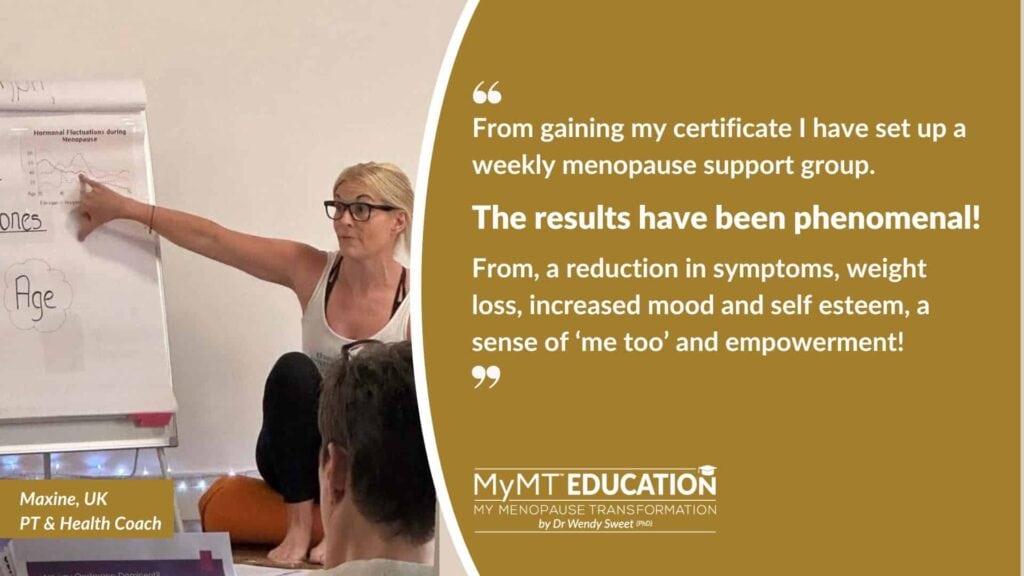
“Since becoming a MyMT™ Practitioner, I’ve set up a support group for women. The results have been phenomenal.” [Maxine, UK]
“I really feel that there is so much emphasis on HRT for menopause symptoms here in the UK, that women are not aware of the lifestyle evidence. And I used to be the same. Four years ago, menopause had overwhelmed me so much that just the simplest of things would make my heart palpitate. I […]
MyMT™ Education: Nutrition for Women in Menopause and Post-Menopause
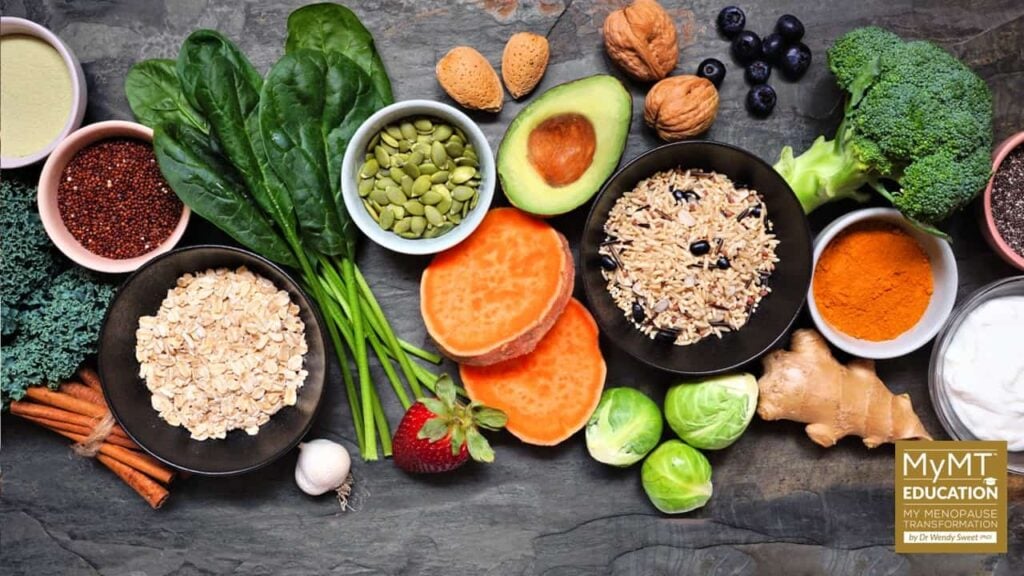
Many women become reliant on various supplements and medications to help their menopause symptoms and/or weight gain, and there is nothing wrong with this of course, but how many also change aspects of their nutrition to accommodate the transition through menopause? I know this, because I was the same. Whilst seeking the quick-fix menopause supplements […]
MyMT™ Education: Lost your Libido? Let’s go looking for it then.

If your midlife clients have lost their libido in menopause, then help them find it through lifestyle change!
MyMT™ Education: Menopause Depression and Exercise – A time for change.

The day I left my Doctor’s clinic with my first ever prescription for anti-depressants, was the day I pulled out all the research I could find relating to menopause-related depression, including the role of exercise. I was confused as to why, when I have never had depression in my life, it had arrived during my […]
MyMT™ Education New Research: Is Grounding the Anti-inflammatory Remedy to Reduce Hot Flushes?

Whether it’s on grass, or concrete, a forest track or the beach, then explaining to your midlife female clients to kick off their shoes and ‘ground’ themselves with the earth’s surface for a minimum of 15 minutes, is an important part of your anti-inflammatory menopause symptom management coaching. This practice is known as ‘grounding’ or […]
MyMT™ Education: Blowing hot and cold – the link between body temperature and gut health in menopause.
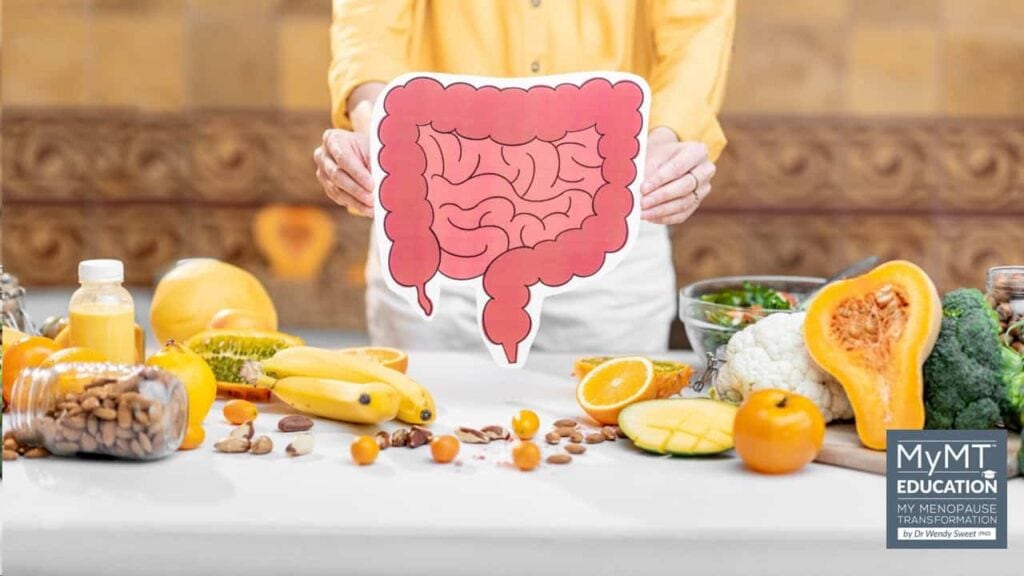
Knowledge about how the gut-microbiome alters aspects of our immune, metabolic and nervous system health has increased 10-fold over the past decade and fortunately, some of this knowledge has also been situated in midlife women’s health. Whilst this increase in research has been mainly due to improved genetic research, it’s also arrived from advances in […]
MyMT™ Education: The effect of citrus and their components on inflammation and immunity.
As your clients begin to unwind as another festive season approaches, I wonder if you are helping them to focus on ‘Citrus for Christmas’. If not, then have a read when you can. I talk a lot about anti-inflammatory components in certain foods, on my Health Practitioner Course, and it all starts with citrus fruits. […]
MyMT™ Education: Help clients banish menopause brain-fog with a burst of blueberries

Over the past few decades, the relationship between nutrition and ageing has been extensively studied in both animals and humans. It was rats that led researchers down the path to the incredible influence that berries, particularly blueberries, have on reducing the inflammation that can build up in our brain and nerves as women move through […]
MyMT™ Education: The impact of menopause depression on stress eating and weight gain.

One of my goals for those of you who are Health Practitioners, Coaches and Exercise Specialists, working with midlife women, is to encourage you to take a broader perspective on your client’s menopause symptoms, especially when it comes to understanding menopause weight gain. As such, the consideration of the interaction of the hormonal changes in […]
The ageing liver and lycopene in menopause weight loss.
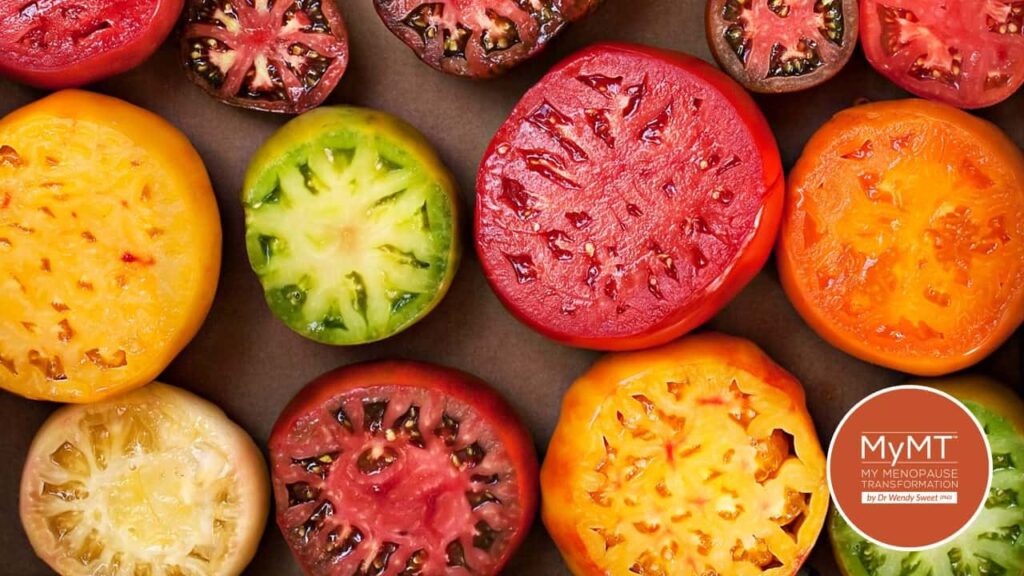
Humans don’t produce carotenoids which help to reduce inflammation. When we consume lycopene in our diet, this valuable carotenoid is stored and used in high concentrations in the liver, adrenal glands, and adipose (fat) tissues where it contributes to reducing damage from oxidative stress and tissue injury.